
5 Tips For Professional Designers On Commercial Interior Designs
Interior design has many Bunch of work. Residence interiors are about comfort and personal style. Commercial interior design is totally different because It is about creating spaces that look good, work well, and Meet the brand standards. These spaces should also help people work better and feel comfortable.
This guide by Nail and Hammer, one of the trusted interior design Company in Greater Kailash, Delhi, Which talks about commercial interior design in a simple and practical way. It is made to help Interior designers understand how to plan and design better In terms of commercial spaces.
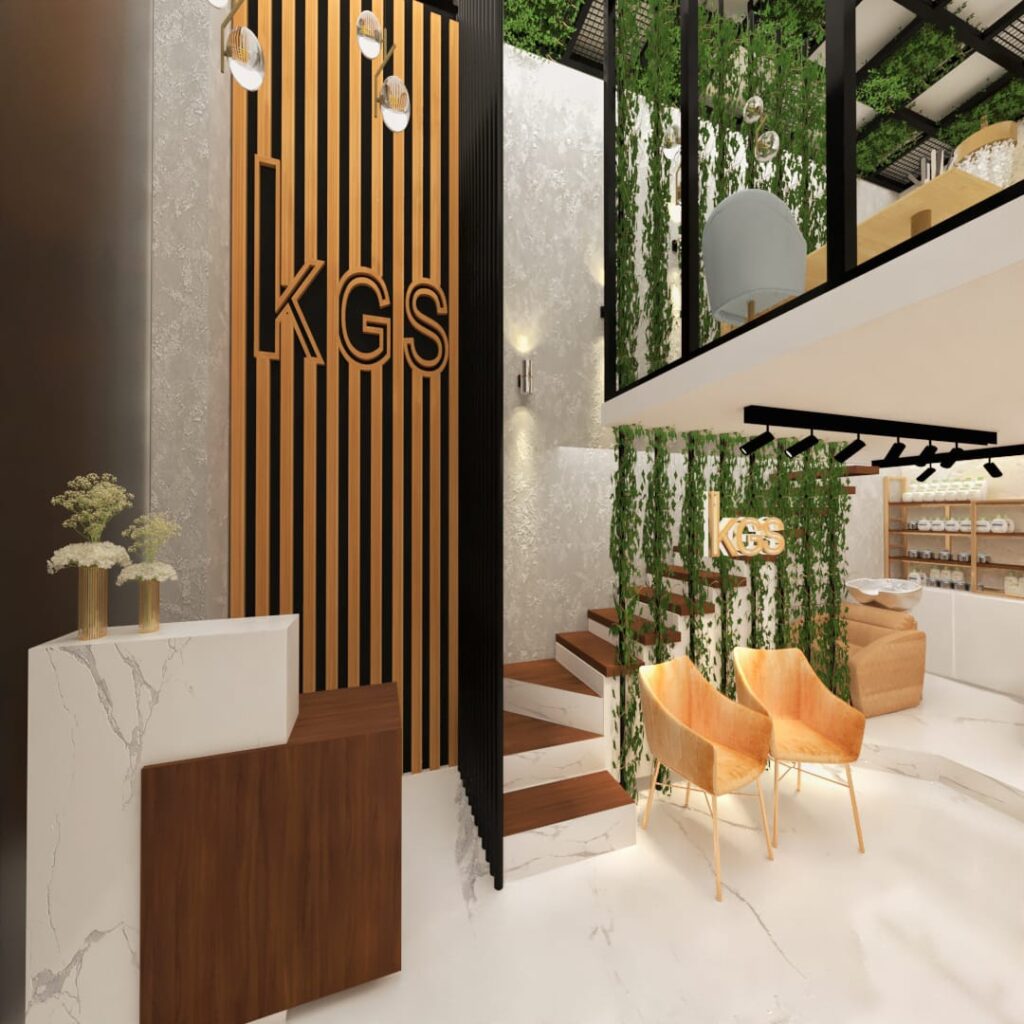
1. Pre-Design Planning for Commercial Interior Projects
Before Doing any commercial interior project, it is very Crucial to understand the client Visions clearly. At this stage, a corporate interior designer collects all basic information about the client Visions to make sure that Client is Looking For, their business, and how the space will be used.
This step generally includes Deep discussion with the client. Some important questions to understand are:
- How does the client want to use the space?
- What do the employees or visitors expect from this workspace?
- How should the Interior design reflect the company’s brand and values?
This is the foundation stage of the project. Here, Interior designers brainstorm ideas, understand requirements, and plan the overall direction of the design. A strong pre-design plan helps in creating a space that is functional, meaningful, and aligned with the client’s vision.
2. Space Planning and Layout
Once the pre-design stage is done, the next step is to plan how the space Can be used. Space planning is all about arranging furniture, work areas, and Entrance so that the space is functional, comfortable, and looks good.
Key points to focus on :)
- Make sure the layout allows smooth movement for employees and visitors.
- Plan areas according to how people will use them every Single day.
- Ensure the design reflects the company’s style while making the space practical.
Good space planning creates a workspace that is organized, efficient, and welcoming. It is the heart of every commercial interior project because it directly affects how people feel and work in the space.
3. Design Development in Commercial Interior Projects
After space planning, the next step is design development. This is when ideas start turning into real designs. At this stage, Interior designers decide on colors, materials, furniture, lighting, and Decor that suit the client’s brand and the space’s purpose.
4. Construction Documents In Commercial Interior Designers
A commercial interior decorator, in this step, will attend to the detailed architectural drawings and specifications that comply with building codes and regulations. These documents will be utilised to secure permits from the necessary authorities.
5. Project Management in Commercial Interior Design
The final step in any commercial interior project is project management. This is where all the planning and design work is to put into action. A Interior designer make sure that everything—from Interior to furniture installation—is done on time, within budget, and according to the plan.
Key points to focus on:
- Coordinate with contractors, suppliers, and vendors to keep the project running smoothly.
- Regularly check the quality of work and ensure it matches the design plan.
- Solve any issues quickly to avoid delays or extra costs.
Good project management ensures the space is completed efficiently, looks great, and meets the client’s expectations. It is the step that turns ideas into reality while keeping everything organized and stress-free.
Looking to start a Commercial Interior Design project of your own? Explore our Commercial Interior Design services to see how Nail and Hammer can help bring your vision to life.
Frequently Asked Questions
Q: What does commercial interior design typically include?
Commercial interior design covers space planning, material and furniture selection, lighting design, and coordination with civil, electrical, and HVAC work to create a functional, branded space.
Q: How is commercial interior design different from residential design?
Commercial projects generally need to account for higher footfall, compliance and safety codes, brand identity, and durability of finishes, alongside standard aesthetic considerations.
Q: How do I choose the right commercial interior design company?
Look for a company with relevant project experience in your industry, a transparent process, and a portfolio that demonstrates both design quality and reliable execution.
Q: Does Nail and Hammer have experience with commercial interior design projects?
Yes — Nail and Hammer has hands-on experience designing and executing commercial interior design projects across Delhi NCR, combining functional space planning with a strong aesthetic finish tailored to each client’s needs.