
Healing by Design: How Your Clinic’s Interior Affects Patient Trust
🧠 Why Clinic Interior Design and Patient Trust Are Deeply Connected
Most clinic owners focus on hiring great doctors, buying modern equipment, and getting good reviews. Very few think about what their walls, lighting, and furniture are quietly saying to patients every single day.
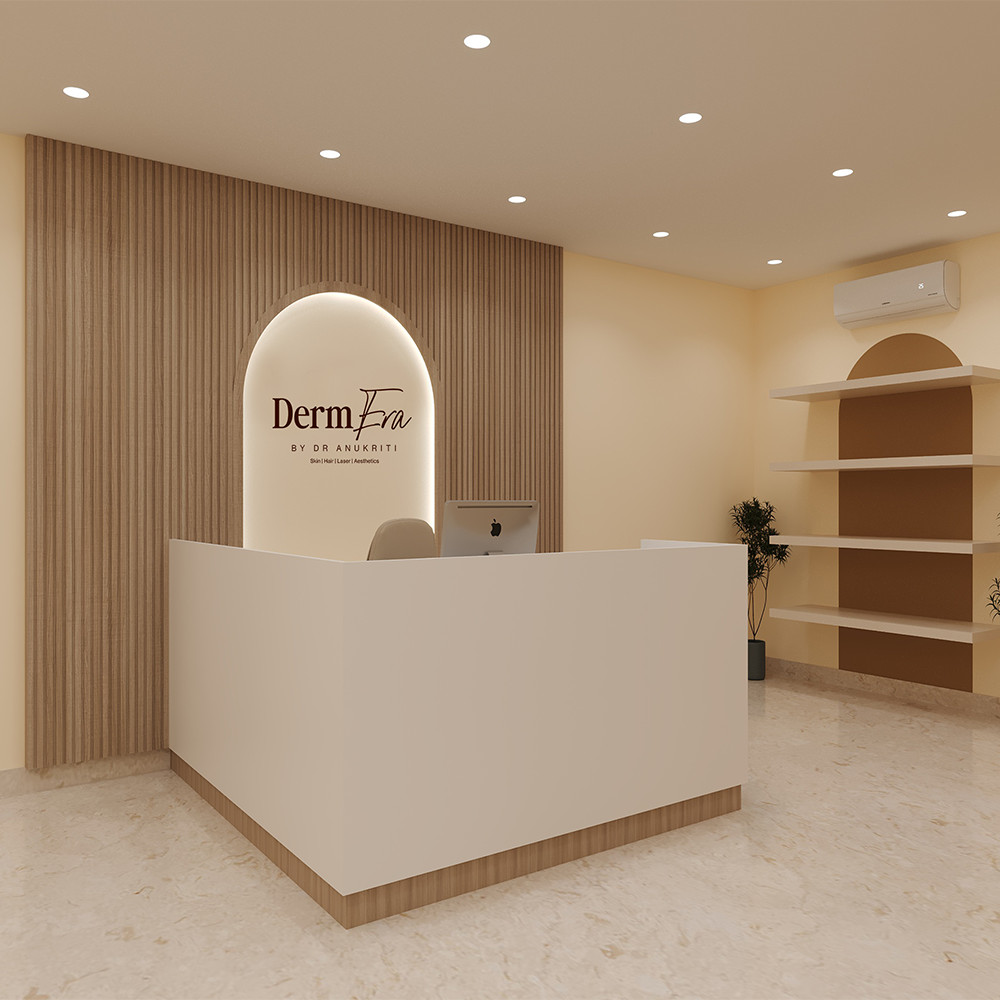
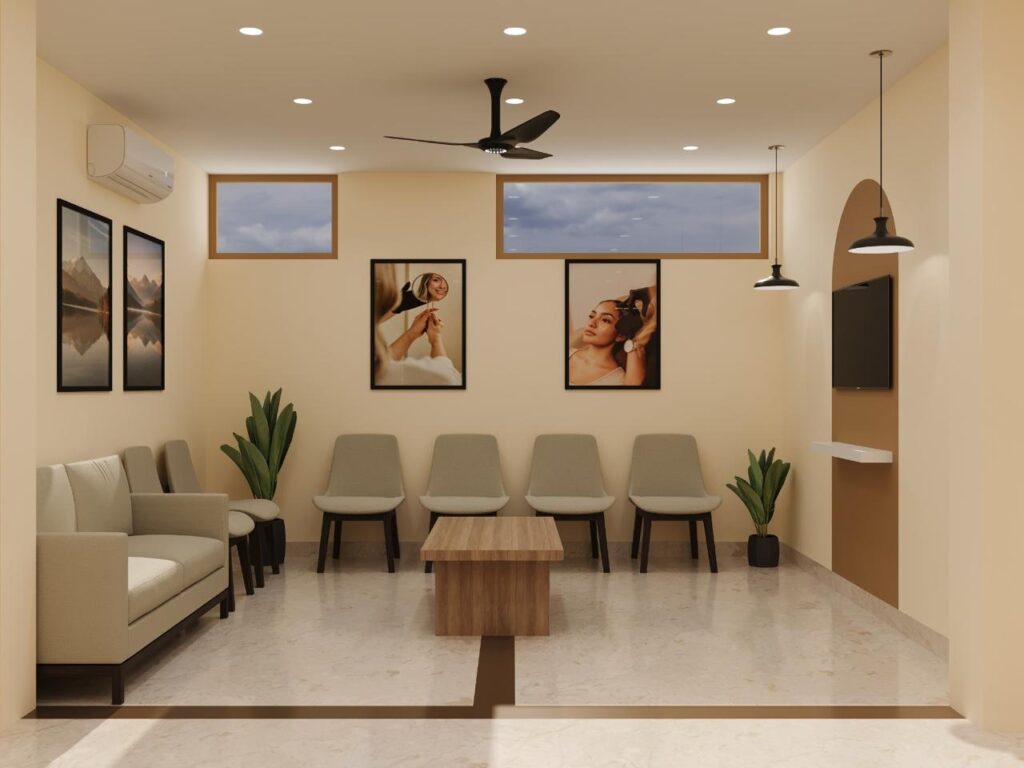
Your clinic’s interior design is a silent communication tool that shapes clinic interior patient trust. It either builds clinic interior patient trust or breaks it. It either calms a nervous patient or makes their anxiety worse. Research in environmental psychology clearly shows that our surroundings directly affect our emotions, stress levels, and even our perception of pain. In healthcare, this is critically important.
“The best medicine in the world means nothing if the patient is too anxious to trust you. Your clinic’s design is the first dose of healing you give.”
— Environmental Health & Design Research🎨 The Psychology of Colors in Your Clinic
Colors are not just decoration. They trigger real emotional and physical responses in the human brain. Choosing the right palette for your clinic is one of the simplest and most affordable upgrades you can make.
| Color | Effect on Patients | Best Used In |
|---|---|---|
| Teal / Soft Green | Calming, promotes healing and trust | Waiting rooms, consultation rooms |
| Soft Blue | Reduces blood pressure, feels clean | Reception, exam rooms |
| Warm White / Cream | Safe, non-clinical, welcoming | Walls and ceilings throughout |
| Soft Orange / Peach | Friendly, energizing, reduces fear | Pediatric areas, reception desk |
| Bright Red | Raises anxiety and blood pressure | Avoid in clinical spaces |
Important tip: Avoid fully white, sterile-looking walls. While they seem “medical,” they can feel cold and amplify anxiety — especially for children and elderly patients.
💡 Lighting: The Most Underrated Design Element
Lighting in a clinic can mean the difference between a patient feeling relaxed and feeling interrogated. Harsh fluorescent lights are common — but they are one of the biggest trust-killers in healthcare spaces.
Use Natural Light Wherever Possible
Large windows or skylights create a warm, healing atmosphere. Natural light boosts mood and reduces the perception of pain.
Choose Warm LED Lights for Waiting Areas
2700K–3000K warm-white LEDs mimic natural light softness and instantly make spaces feel less clinical and more welcoming.
Keep Bright Clinical Lighting Where Needed
Exam rooms need accurate lighting — but keep it separate from patient-facing spaces like waiting rooms and corridors.
Add Decorative Lighting Elements
Pendant lights or wall sconces add visual warmth and signal that care went into the design — which patients associate with quality of care.
🛋️ The Waiting Room: Your First Impression Battlefield
The waiting room is where patients spend the most unsupervised time in your clinic. A badly designed waiting room increases anxiety and distrust. A well-designed one can begin the healing process before the doctor even enters the room.
- Comfortable, ergonomic seating — not hard plastic chairs
- Adequate personal space between seats for privacy
- Nature elements — plants, water features, or nature photography
- Soft background music or calming ambient sound
- Clean, organized reading material or entertainment screen
- Good air circulation and a pleasant, neutral scent
- Clearly visible signage so patients never feel lost
- A children’s corner if you see pediatric patients
🌿 Bring Nature Indoors — Biophilic Design Works
Biophilic design is a simple idea: connect indoor spaces to nature. And it works remarkably well in healthcare. Studies show that patients in rooms with natural elements recovered faster, used less pain medication, and reported higher satisfaction.
You don’t need a rooftop garden. Small touches make a huge difference:
Indoor Plants
Peace lilies, snake plants, and pothos are low-maintenance, air-purifying, and visually calming. Perfect for reception desks and corridors.
Nature-Themed Artwork
Landscapes, forest prints, and ocean scenes reduce stress hormones. Avoid abstract or clinical imagery in patient-facing areas.
Natural Materials
Wood panels, stone accents, bamboo flooring — these create warmth and texture that sterile surfaces cannot match.
🚿 Cleanliness Is a Design Feature, Not Just a Habit
Your clinic’s design should make cleanliness easy to maintain and easy to see. Patients instantly notice worn-out furniture, stained ceiling tiles, peeling paint, cluttered reception desks, and outdated signage.
Design your clinic so surfaces are easy to clean, storage is hidden, and clutter has no place to accumulate. Choose quartz countertops, easy-wipe flooring, and closed shelving. A clinic that looks clean feels trustworthy.
🔏 Privacy: The Trust Signal Patients Never Talk About
One of the biggest unspoken patient concerns is lack of privacy. When patients feel exposed during registration, waiting, or consultation — they feel uncomfortable and distrustful. Good design solves this silently:
- Private check-in windows or dividers at reception
- Soundproofed consultation rooms (patients shouldn’t hear others)
- Separate entry and exit points to reduce crowding
- Semi-enclosed seating pods or privacy screens in waiting areas
- Clear, readable signage for independent navigation
“When a patient feels safe in your space, they open up more. They share more. And that makes you a better doctor.”
📋 Quick Design Audit: Is Your Clinic Building or Breaking Trust?
Answer these questions honestly about your clinic right now:
- Does my waiting room feel welcoming or cold?
- Is the lighting warm and comfortable, or harsh and glaring?
- Are there any nature elements — plants, natural light, or wood?
- Is the signage clear and easy to follow without asking for help?
- Does the reception area feel open and friendly?
- Are consultation rooms private and soundproofed?
- Is everything visibly clean and well-maintained?
- Does the color palette feel calming rather than purely clinical?
If you said “no” to more than three — your clinic’s interior may be quietly working against you, even if your medical care is excellent.
How Nail & Hammer Designs for Clinic Interior Patient Trust
At Nail & Hammer, clinic interior patient trust is the guiding principle behind every project. We combine evidence-based healthcare design — aligned with guidance from the Center for Health Design — with premium execution, so your space reassures patients from the moment they arrive. Strong clinic interior patient trust turns first-time visitors into loyal patients, better reviews, and more referrals. That is why doctors across Delhi NCR choose us to design clinics that look premium and build lasting clinic interior patient trust.
Every design choice we make ladders up to one goal: clinic interior patient trust. From the reception desk to the treatment room, clinic interior patient trust is engineered into the layout, lighting, and materials. When patients feel calm and cared for, that clinic interior patient trust translates into better reviews, higher retention, and more referrals. Ultimately, clinic interior patient trust is what patients remember. This is the measurable business value of clinic interior patient trust, and it is why we treat it as a core deliverable on every project.
❓ Frequently Asked Questions
✨ Final Thoughts: Design Is Medicine Too
The best clinics in the world understand that healing begins before the first consultation. It begins the moment a patient walks through your door and looks around.
Your clinic’s interior is not just a background. It is an active participant in patient care — one that either supports your mission to heal, or quietly works against it.
You don’t have to do everything at once. Start with one room. Change one element. Watch how patients respond. The results will speak for themselves.
When people feel safe, seen, and comfortable — they heal faster. And they trust you more.
Ready to Transform Your Clinic?
Share this article with your clinic team, practice manager, or interior designer. Small changes create big trust — and big trust creates loyal patients.
Share This Article →Looking to start a Clinic Interior Design project of your own? Explore our Clinic Interior Design services to see how Nail and Hammer can help bring your vision to life.
Table of Contents
- 🧠 Why Clinic Interior Design and Patient Trust Are Deeply Connected
- 🎨 The Psychology of Colors in Your Clinic
- 💡 Lighting: The Most Underrated Design Element
- 🛋️ The Waiting Room: Your First Impression Battlefield
- 🌿 Bring Nature Indoors — Biophilic Design Works
- 🚿 Cleanliness Is a Design Feature, Not Just a Habit
- 🔏 Privacy: The Trust Signal Patients Never Talk About
- 📋 Quick Design Audit: Is Your Clinic Building or Breaking Trust?
- How Nail & Hammer Designs for Clinic Interior Patient Trust
- ❓ Frequently Asked Questions
- ✨ Final Thoughts: Design Is Medicine Too
- Ready to Transform Your Clinic?
- Related Reading on Clinic Interior Patient Trust
- Frequently Asked Questions About Clinic Interior Patient Trust
Related Reading on Clinic Interior Patient Trust
- reduce patient stress through clinic design
- welcoming clinic interior design tips
- professional clinic interior design tips
Frequently Asked Questions About Clinic Interior Patient Trust
How does clinic interior design affect patient trust?
Clean lines, hygienic finishes, calm colours, thoughtful lighting and organised layouts signal competence — patients decide within seconds whether they trust a clinic based on how it looks and feels.
Which design elements build the most patient trust?
Bright but glare-free lighting, spotless floors and counters, clearly-marked private zones, comfortable seating with personal space, and visible cleanliness protocols build trust fastest.
Do premium finishes really increase patient retention?
Yes — well-executed premium finishes lift perceived quality of care and support higher consultation fees, but only when hygiene and comfort basics are done right first.
How can a small clinic still build strong patient trust?
Small clinics build trust through consistency: clean seating, private billing, no clutter, warm reception, and a clear visual system for signage, forms and staff uniforms.
Does Nail and Hammer design for patient psychology?
Yes. Nail and Hammer factors patient anxiety, wait perception and privacy into every clinic plan, drawing on completed projects across Delhi NCR.