
Cafe Interior Design: Creating a Space People Love to Stay In
Outdoor and semi-outdoor seating areas have also become a key consideration for café interiors in 2026. Retractable awnings, planters as natural dividers, and weather-resistant furniture let café owners extend their usable space. Rooftop cafés and terrace setups are particularly popular across Gurugram, where the weather permits open-air dining for much of the year. Integrating greenery through vertical gardens or potted plants along the boundary softens the outdoor area and provides natural privacy from the street.
In today’s cafe culture, great coffee alone is not enough. The interior design of a café plays a huge role in attracting customers, encouraging them to stay longer, and making the place Instagram-worthy. A well-designed café creates an experience — not just a place to drink coffee.
Table of Contents
Why Cafe Interior Design Matters ??
A cafe’s interior is the first thing customers notice when they walk in. The atmosphere influences how comfortable they feel and how long they stay.
Good café design helps to:
- Build a strong brand identity
- Attract more customers
- Create a cozy and welcoming environment
- Encourage social media sharing
When customers love the vibe, they often return and bring friends with them.
Choosing the Right Cafe Interior Theme
The theme of your café sets the overall mood of the space. Popular café design themes include:
Minimalist Design
Clean lines, neutral colors, and simple furniture create a calm and modern atmosphere.
Rustic Style
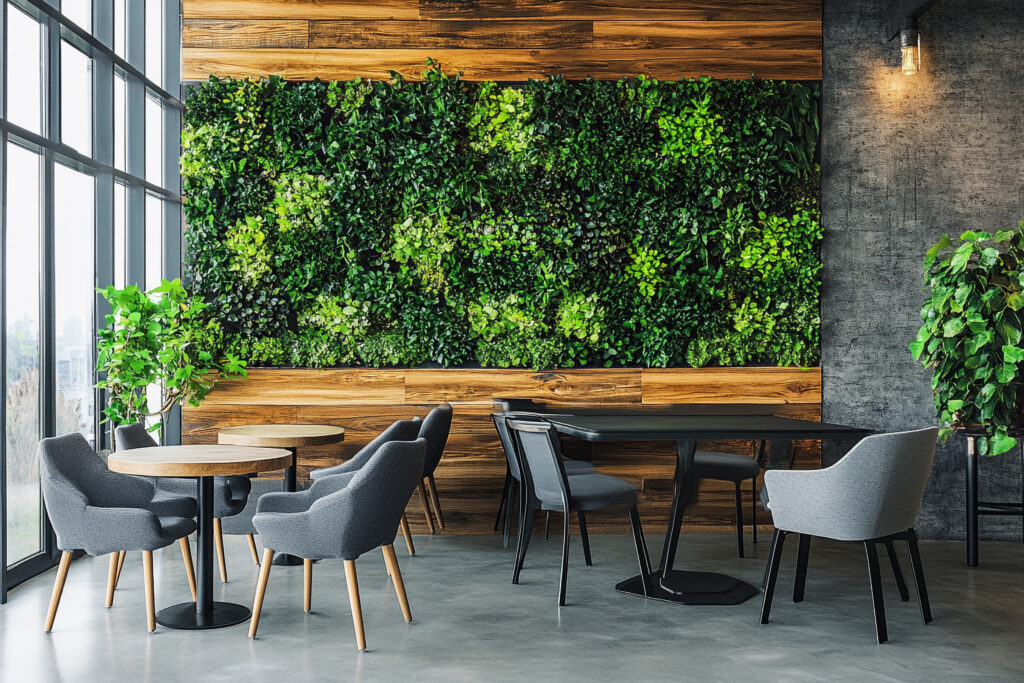
Wooden furniture, brick walls, and warm lighting make the space feel cozy and natural.
Industrial Design
Metal elements, exposed pipes, and concrete textures give cafés a trendy urban look.
Bohemian Style
Colorful fabrics, plants, and artistic décor create a relaxed and creative environment.
Selecting a theme that reflects your brand helps make the café memorable.
Creating Instagram-Friendly Spots While designing Cafe Interior
In the age of social media, cafés often design specific areas that are perfect for photos. A statement wall, neon sign, or unique artwork can turn a simple corner into a popular photo spot.
Colour Psychology in Cafe Interior Design
Colour has a direct impact on how customers feel the moment they walk into a café. Warm tones — terracotta, burnt orange, deep mustard — stimulate appetite and conversation, making them popular choices for cafés that want a lively, sociable atmosphere. Cooler tones such as sage green, dusty blue, and soft grey suit cafés that position themselves as quiet workspaces or reading spots, encouraging guests to settle in for longer visits. In Delhi NCR, where café culture is growing rapidly, the right colour palette can set your café apart from the competition on a busy high street.
Neutral base colours on walls and floors provide flexibility for seasonal updates — swapping cushion covers, table runners, or menu boards lets you refresh the look without a full repaint. Accent walls in a bold colour or a mural can anchor the space visually and serve as a ready-made photo backdrop for customers. At Nail and Hammer, we work with café owners to test colour combinations through 3D renders before any paint goes on the wall, so the final palette matches both the brand identity and the target audience.
Lighting Design for Cafes
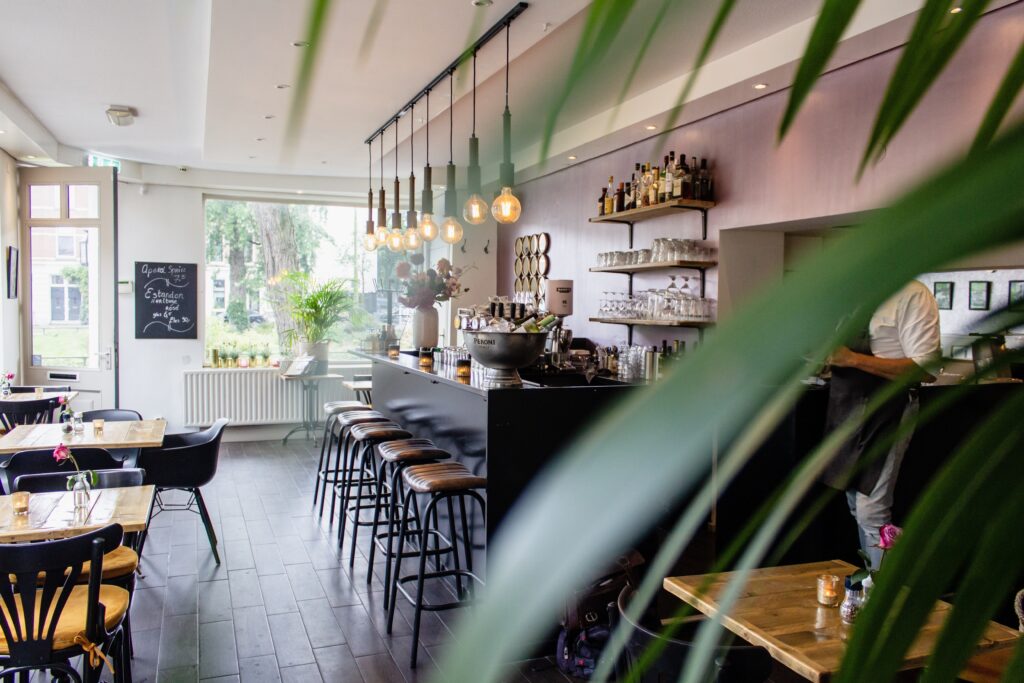
Lighting is one of the most underrated elements in café interior design, yet it has the power to transform the same physical space from a bustling breakfast spot in the morning to an intimate evening hangout. A well-planned café uses three layers of lighting: ambient lighting for general illumination, task lighting over the counter and service areas, and accent lighting to highlight artwork, shelving, or architectural features. Pendant lights over individual tables create a sense of intimacy, while track lighting along the ceiling keeps the space evenly lit for daytime service.
Natural light is always the most flattering — large windows, skylights, or glass partitions let daylight flood in and reduce energy costs during the day. For evening service, dimmable warm-white LEDs recreate a welcoming glow without the harshness of overhead fluorescent tubes. Neon signs and backlit menu boards, when used sparingly, double as décor and functional wayfinding. Our café design projects at Nail and Hammer always include a lighting plan that accounts for the café’s operating hours, seating layout, and the mood the owner wants to create at each time of day.
Seating Layout and Customer Flow
How you arrange tables, chairs, and counters determines whether customers feel comfortable staying or rushed to leave. A good café layout provides a mix of seating options: two-seater tables for couples, longer communal tables for groups or co-working, bar stools along a window ledge for solo visitors, and a comfortable sofa or bench section for those who want to settle in with a book. Each zone should have enough separation that conversations stay private, while the overall flow from entrance to counter to seating remains intuitive.
Aisle widths matter — the service path between tables should be wide enough for staff to carry trays without brushing past guests. The order counter should be visible from the entrance so new customers know immediately where to go. In smaller cafés, banquette seating against walls saves space compared to freestanding chairs, and round tables fit more seats in tight corners than rectangular ones. At Nail and Hammer, we map out traffic flow and seating capacity at the floor-plan stage, ensuring the layout serves both the café’s peak-hour needs and its quieter daytime atmosphere.
Branding Through Cafe Interior Design
Every design decision in a café — from the font on the menu board to the material of the chairs — communicates the brand. A speciality coffee roaster will lean toward raw, honest materials: exposed brick, reclaimed wood, brushed metal fixtures. A dessert café targeting younger audiences might go for pastel walls, playful typography, and custom neon signage. The interior should tell the same story as the logo, the packaging, and the social media feed, so a customer who discovers the café online recognises it the moment they step inside.
Custom touches make a café memorable: branded coasters, signature wall art, tabletop finishes that match the packaging colours, or a feature wall that displays the brand’s origin story. These details cost relatively little to execute but create strong recall. Nail and Hammer works closely with café owners to translate their brand vision into a physical space — from concept sketches and material selection to final fit-out — ensuring that every element, down to the door handle, reinforces the café’s identity.
Final Thoughts
Café interior design is about more than just aesthetics. It shapes the overall customer experience. By combining thoughtful layout, comfortable furniture, warm lighting, and creative décor, café owners can create a space where people love to relax, work, and socialize.
A beautifully designed café doesn’t just serve coffee — it creates memories.
Frequently Asked Questions
Q: What should a café interior design prioritise?
A good café balances an inviting, photogenic atmosphere with practical workflow for staff, seating suited to your target customers, and lighting that works for both daytime and evening service.
Q: How much space is needed for a small café?
Small cafés can work well starting from a few hundred square feet, provided the kitchen, counter, and seating are planned efficiently, though the ideal size depends on expected footfall and menu.
Q: Does interior design really affect a café’s repeat business?
Yes — comfortable seating, ambience, and a well-thought-out layout encourage customers to stay longer and return, making design a real driver of repeat visits alongside food quality.
Q: Does Nail and Hammer have experience with café interior design projects?
Yes — Nail and Hammer has hands-on experience designing and executing café interior design projects across Delhi NCR, combining functional space planning with a strong aesthetic finish tailored to each client’s needs.